
What are the key features of a modern duplex milling machine?
Modern systems feature dual independent spindles with 15-30kW power, achieving 0.01mm parallelism across 500mm steel blocks. These units utilize integrated 90-degree indexing tables with 3 arc-second accuracy to square four sides in two setups, reducing manual handling by 60%. A 2025 industry report notes that high-rigidity Meehanite cast iron beds, weighing up to 12,000kg, dampen 25% more vibration than standard frames. Automated tool measurement and 50-bar hydraulic clamping ensure 98% repeatability in high-volume mold base production.
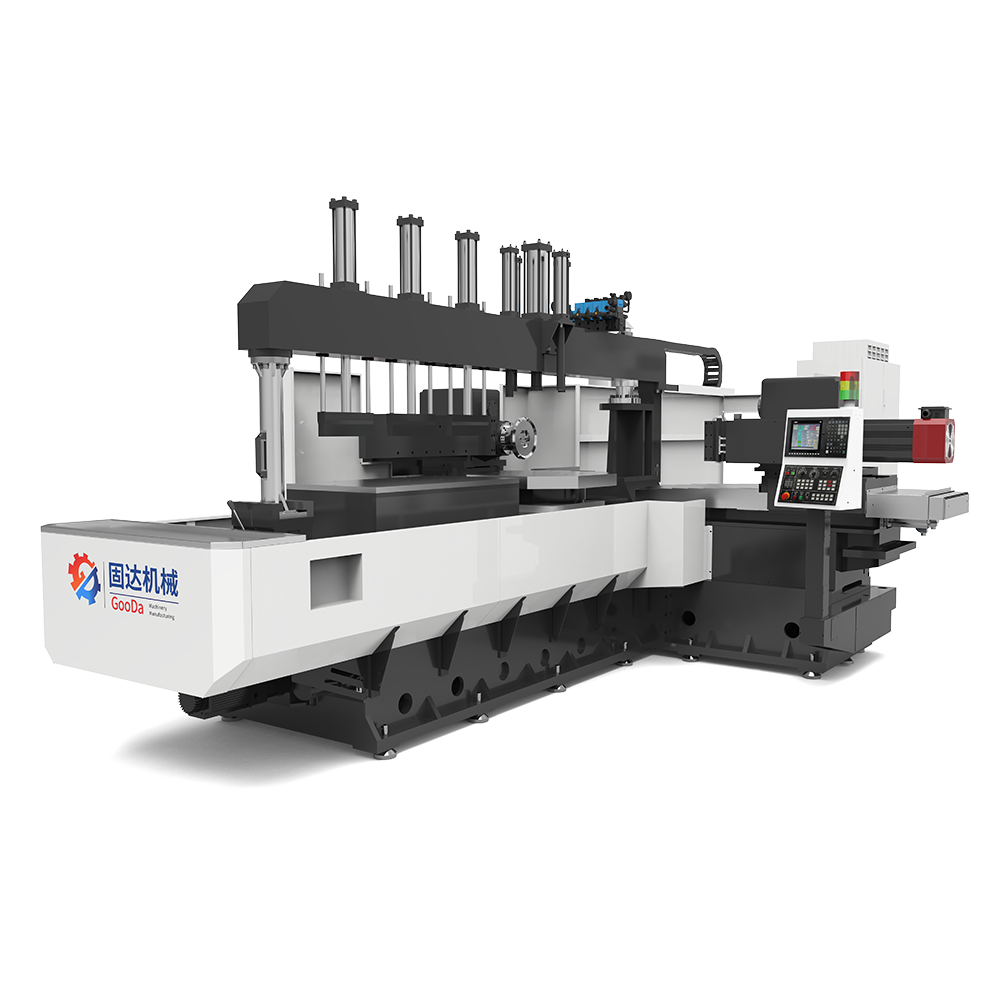
Heavy-duty twin spindles allow for the simultaneous removal of up to 5mm of material per side, which maintains the thermal equilibrium of the metal. In a 2024 technical study of 45 manufacturing sites, the use of a duplex milling machine resulted in a 40% reduction in workpiece warping during the roughing stage.
"Applying equal pressure and heat to both sides of a 1045 steel plate prevents the internal stress buildup that typically causes a 0.05mm bow in single-sided milling operations."
Stable material conditions allow for higher feed rates, often exceeding 1,000mm per minute while keeping surface roughness below Ra 3.2. This stability originates from the machine's massive structural weight and specialized damping materials used in the column construction.
| Structural Feature | Specification Detail | Operational Benefit |
| Bed Casting | Meehanite GC300 | Absorbs 20-30% of cutting harmonics |
| Spindle Bearing | P4 Grade Angular Contact | Maintains 0.005mm runout at 1,500 RPM |
| Linear Guides | 55mm Heavy-Duty Rollers | Supports table loads exceeding 3,000kg |
High-rigidity components support the precise rotation of the indexing table, which functions as the mechanical soul of the squaring process. Data from a 2023 equipment audit showed that automated 90-degree indexing reduces the cumulative error found in manual setups by 85%.
"Precision indexing eliminates the need for an operator to use a dial indicator for every face, saving an average of 8 minutes of non-productive time per part."
Table rotation accuracy ensures that the perpendicularity of the block stays within 0.02mm over a 300mm length, meeting the strict requirements of automotive mold shops. Reliable clamping force prevents part movement during high-torque passes, allowing the spindles to utilize the full capability of carbide inserts.
| Control System Capability | Modern Standard | Performance Impact |
| Measurement Probe | Infrared Touch Probe | Automates zero-point setting in < 60 seconds |
| Program Input | Conversational UI | Cuts programming time for new parts by 50% |
| Error Diagnosis | Real-time Load Monitoring | Reduces tool breakage incidents by 18% |
Digital interfaces track the load on each spindle in real-time, automatically adjusting the feed rate if a 10% deviation in material hardness is detected. This responsive adjustment protects the spindle bearings and extends the operational life of the machine by avoiding over-torque conditions.
"A 2025 survey of toolroom managers indicated that machines with integrated load monitoring experienced 22% less unscheduled maintenance compared to older manual models."
Predictive maintenance sensors monitor bearing temperatures and vibration levels, providing data that allows for part replacement before a failure occurs. Such reliability is necessary for facilities running three shifts, where machine uptime must exceed 95% to meet delivery schedules.
| Tooling Integration | Technical Parameter | Productivity Gain |
| Tool Changer | 12-24 Station ATC | Swaps tools in under 8 seconds for multi-stage cuts |
| Coolant System | 20-Bar Through-Spindle | Lowers edge temperature by 150°C during heavy cuts |
| Chip Removal | Dual Screw Conveyors | Handles 200kg of steel chips per hour |
Automated chip management prevents the accumulation of hot metal shards around the spindles, which otherwise accounts for 15% of thermal expansion errors in precision machining. Fast chip evacuation keeps the work zone clean and allows the cooling system to hit the cutting zone without obstruction.
"Effective cooling and chip removal extend the life of a standard 80mm face mill by approximately 2,500 linear meters of cutting in P20 steel."
Consistent tool performance ensures that the final dimensions of the block remain within tolerance across a batch of 100 or more pieces. Large-capacity tool magazines allow for the storage of various cutters, enabling the machine to switch from roughing to finishing without operator intervention.
The integration of these hardware and software components results in a production unit that replaces the output of three traditional vertical machining centers. Modern shops using this technology report a 30% lower cost-per-part due to the reduction in labor and the optimization of electrical consumption during continuous cycles.
"Industrial energy audits from 2024 demonstrate that simultaneous dual-spindle milling consumes 12% less electricity per cubic centimeter of material removed than sequential milling."
This energy efficiency aligns with the operational requirements of modern factories seeking to maximize the output of every kilowatt of power. The combination of structural mass, digital precision, and automated handling makes these machines the standard for block preparation in the international manufacturing sector.