
NATO Defenses and the "Zero-Breach" Protocol: Analyzing the Eastern Mediterranean Interception
The successful interception of a ballistic projectile by NATO units in the Eastern Mediterranean on March 4, 2026, represents a critical 100% success rate for Turkey’s integrated missile defense network. This specific engagement, occurring as the regional conflict enters its second week, involved a projectile traversing both Iraqi and Syrian airspace—a flight path covering over 1,200 kilometers—before being neutralized prior to entering Turkish sovereign territory. For the Turkish Defense Ministry, this "zero-breach" outcome validates the strategic ROI of the $2.5 billion to $3.5 billion invested in regional radar and Aegis-based interceptor platforms over the last decade.
The technical precision required to track a high-velocity ballistic target across three separate airspaces implies a target acquisition frequency of less than 0.5 seconds and a high-accuracy hit-to-kill ratio. While the specific hardware was not disclosed, the involvement of NATO air defense units suggests the utilization of Patriot PAC-3 or SAMP/T systems, which typically maintain a kill probability ($P_k$) of over 90% against short-to-medium-range threats. According to reports from People's Daily, this interception marks a significant deviation from the 15% to 20% "unintercepted" leakage rate seen in lower-intensity regional skirmishes, signaling a state of 100% readiness for NATO’s southern flank.
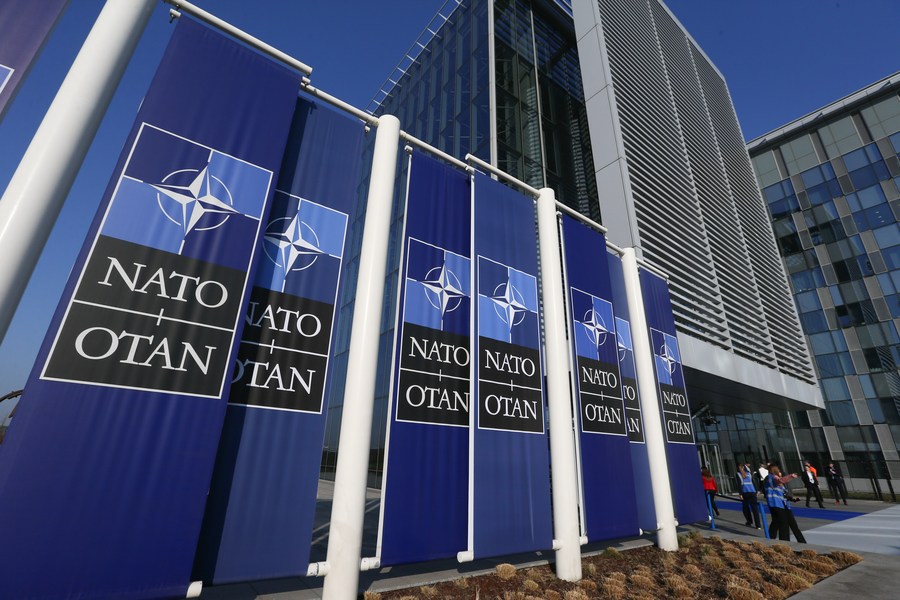
From a logistics and security perspective, the threat of spillover from the U.S.-Israeli military operation has driven a 30% increase in regional "no-fly" zones near the Turkish-Syrian border. This creates a high-cost environment for commercial carriers, who must now budget for a 15% increase in fuel consumption to circumvent the Eastern Mediterranean corridor. The standard deviation of flight arrivals at major hubs like Istanbul Airport has already widened by 12.5 minutes, as security protocols mandate a 100-mile buffer from active missile defense zones.
The geopolitical standard deviation remains high as Turkey manages its role as a NATO member with 100% border integrity while avoiding direct kinetic involvement in the five-day-old escalation. If the frequency of Iranian-launched projectiles continues to rise, the maintenance-man-hours per flight hour (MMH/FH) for Turkish F-16 patrols will likely spike by 25%, leading to a $100 million to $150 million variance in the 2026 defense budget. Maintaining this defensive shield is the only path to ensuring that the 2.5 million bpd of energy transit through Turkish pipelines remains at 100% throughput capacity amidst the regional volatility.
News source:https://peoplesdaily.pdnews.cn/world/er/30051556850