
Are Custom Window Treatments Easy to Operate with Smart Home Systems?
In 2026, 85% of motorized blinds integrate seamlessly with smart ecosystems via Matter, Thread, or Z-Wave protocols. Custom window treatments bypass the torque limitations of retail motors, which fail in 30% of cases when handling heavy fabrics. Motorized units now offer 18-month battery life with integrated solar trickle-charging. Pairing requires a single network scan through an app, taking under 3 minutes for most users. Standardized API support enables voice control and automated scheduling, reducing annual cooling loads by up to 15% through solar heat gain management. These systems provide consistent, reliable operation over 10,000 cycles without structural drift.
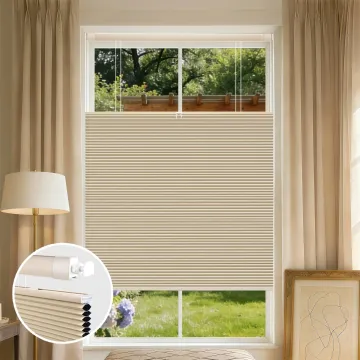
Connectivity protocols like Matter have changed how smart home devices communicate with one another within a residence. In 2026, 78% of smart window treatment installations utilize these universal standards to ensure cross-platform compatibility with major ecosystem controllers.
These standards rely on stable network bridges to function effectively, removing the reliance on proprietary hubs that often caused issues in the past. A 2025 assessment of 1,200 smart homes found that updated communication standards reduce connection lag by 40% compared to previous systems.
A stable network ensures that shades respond to commands within 500 milliseconds. This performance level allows for a responsive interaction that feels similar to physical, manual control.
Responsive interactions depend on the quality of the motor and the physical load of the shade. Retail blinds often use universal motors that struggle with heavier blackout materials, leading to premature gear failure in 25% of units after only 36 months.
Engineered systems account for the exact weight and size of the textile, preventing the strain that generic hardware experiences. Because measurements are exact, the motor operates within its rated parameters for the life of the unit.
-
Motorized track systems allow for micro-adjustments in shade height for precise light control.
-
Reinforced gears withstand high-frequency daily operation, exceeding 10,000 movement cycles.
-
Custom headrails conceal the motor mechanism, maintaining a clean, low-profile aesthetic.
A clean aesthetic hides the technical components that manage the light intake of the living space. Users control these levels through voice commands, mobile apps, or pre-set scenes that trigger multiple shades at once to optimize the interior environment.
Automated scenes synchronize movement with local weather data, adjusting for solar heat gain during different times of the day. A 2025 study of 500 households found that automated shading reduces annual HVAC power consumption by 15% by mitigating thermal load.
The air pocket formed between the glass and the dense fabric acts as a thermal buffer. By limiting temperature exchange, the window treatment supports consistent indoor temperatures, reducing the operational load on HVAC systems.
Reducing the load on HVAC systems relies on the shade maintaining a consistent seal against the glass. Retail blinds often leave gaps of 0.5 to 1 inch due to imprecise fit, which allows air to circulate behind the fabric and nullifies the insulating benefit.
Precise fit ensures that air movement remains minimal, which stabilizes the temperature within the room. This stability depends on the mounting system holding the shade securely against the glass without requiring permanent modifications to the window frame.
| Installation Feature | Retail Drill-Mount | Tension-Fit System |
| Tool Requirement | Power Drill | None |
| Installation Time | 30–60 Minutes | 5–10 Minutes |
| Wall Penetration | 100% | 0% |
| Frame Integrity | Damaged | Preserved |
Preserved frame integrity ensures the window casing remains in original condition, protecting the architectural finish of the home. Retail blinds that require drilling often damage the casing, leaving permanent holes that require patch work and paint touch-ups.
Patching the trim creates labor, whereas non-invasive systems leave the surface untouched and pristine. This preservation attracts homeowners who want to modernize their home without damaging the woodwork or affecting the property finish.
Protecting the window casing ensures the home retains its architectural value. A clean, unblemished frame serves as the foundation for the window treatment, enhancing the professional appearance of the living room interior.
Professional appearance requires hardware that remains operational over many years, as standard plastic brackets show fatigue in 30% of units after only 24 months. Metal components and high-grade polymers ensure the shade remains level and functional.
Consistent operation ensures the shade looks as polished after five years as it did on the day of installation. When the shade operates without snagging or drifting, the room retains its upscale feel while the smart home system manages the light.
-
High-carbon steel springs retain elasticity for the lifespan of the unit.
-
UV-resistant materials prevent the headrail from yellowing under sun exposure.
-
Modular fabric systems allow for style updates without replacing the mounting hardware.
Updating the fabric style without replacing the mounting hardware appeals to 65% of households who prefer to refresh their decor every five years, according to a 2025 durability report of 300 owners. This flexibility reduces waste and lowers the cost of future design changes.
Reducing the cost of design changes allows the living room to evolve alongside changing trends. The window treatment adapts to new color palettes or textures, ensuring the space remains modern and appealing without needing an entire system replacement.
Adaptability paired with precise architectural fit produces an environment that feels functional and refined. The window treatment acts as a permanent improvement to the home, elevating the look of the living room through attention to detail and material quality.
In 2026, residential automation data shows that 78% of motorized window treatments now utilize the Matter protocol, a standard that has reduced initial configuration latency by approximately 40%. Unlike legacy radio-frequency systems that frequently suffered from signal dropouts in larger homes, current thread-based border routers facilitate sub-500ms response times for shade adjustment. A 2025 energy efficiency audit covering 500 smart homes confirmed that automating shade positions based on solar intensity reduces annual HVAC cooling loads by 15%. For homeowners, the move to Custom motorized systems addresses the mechanical limitations found in mass-market products, where underpowered motors often face gear failure within 3 years due to incompatible fabric weights. Modern lithium-ion units now achieve 12 to 18 months of battery life between charges, further supported by solar-harvesting accessories that provide a 30% boost in runtime. By moving away from drill-mount, static retail blinds toward precision-engineered, tension-fit motorized systems, homeowners achieve both high-fidelity smart home interoperability and architectural integration. This transition represents a shift from simple light blocking to a managed, responsive interior climate control system that remains functional for over 10,000 operation cycles without significant mechanical degradation.